
The topic of buying magic mushrooms often appears in discussions about alternative therapies, personal exploration, and changing drug policies, but it is essential to approach it with clarity, responsibility, and a firm understanding of the law. Magic mushrooms, which contain the psychoactive compound psilocybin, remain illegal in many parts of the world, even as research increasingly highlights their therapeutic potential. Anyone curious about them must first recognize that possession, sale, and purchase are prohibited in most countries, carrying potential legal consequences that can be significant. Because of this, conversations about obtaining magic mushrooms must center on legality and safety rather than encouraging any form of illegal acquisition.
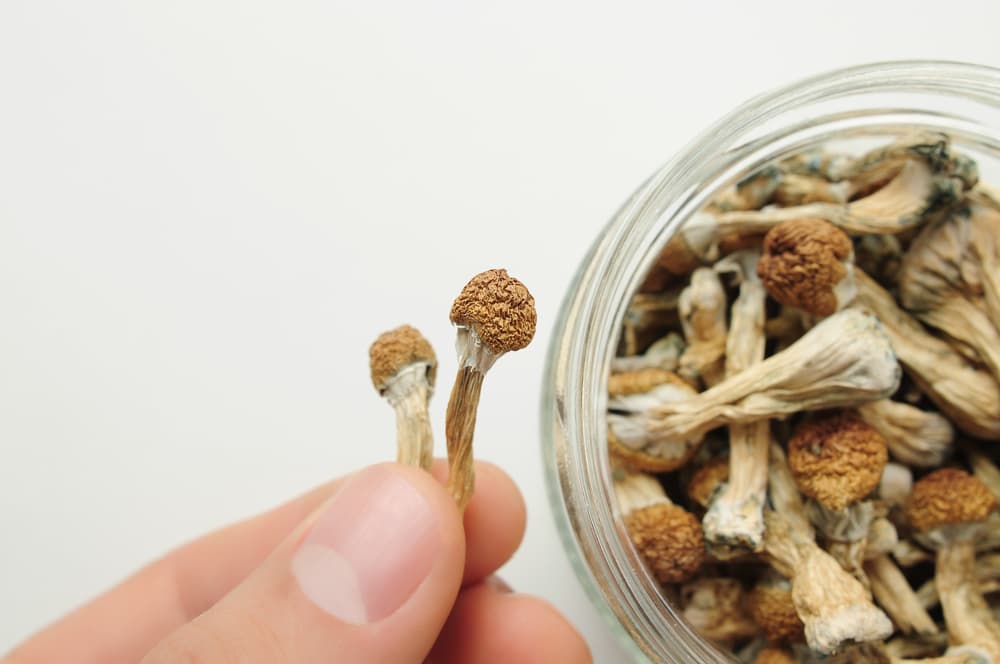
Interest in magic mushrooms has risen sharply due to emerging clinical studies exploring psilocybin’s https://johnpharmauk.com/product/buy-magic-mushrooms/ possible benefits for depression, anxiety, PTSD, addiction, and end-of-life distress. These findings have contributed to a shift in public perception, prompting some regions to reconsider long-standing regulations. A few locations have moved toward decriminalizing personal possession, while others have created tightly regulated therapeutic programs in clinical environments. In these settings, psilocybin is administered by trained professionals, and participants undergo thorough screening to ensure safety. This approach reflects a broader understanding that psychedelics require careful handling, professional oversight, and respect for their powerful effects.
For individuals exploring this topic, the legal landscape should be the starting point. Understanding whether psilocybin is decriminalized, fully illegal, or allowed under controlled therapeutic use can prevent harmful misunderstandings. Discussions around buying or using magic mushrooms should always occur within the context of existing laws, not in defiance of them. In regions with legal therapeutic programs, access occurs through licensed clinics rather than recreational or commercial sales. These programs emphasize preparation, guidance, and integration, acknowledging that psychedelic experiences can produce both positive insights and difficult psychological challenges.
Another key consideration is safety. Magic mushrooms can produce intense perceptual changes, emotional shifts, and altered states of consciousness. For some individuals, these experiences may feel enlightening or healing, but for others they can be disorienting or overwhelming. Factors such as mental health history, mindset, environment, and dosage all play crucial roles in determining the outcome. Because of this complexity, experts strongly recommend that psilocybin—where legally available—be taken under supervision in a controlled setting. This minimizes risks such as panic episodes, confusion, or unsafe behavior during intoxication.
Public curiosity surrounding magic mushrooms will likely continue to grow as research evolves and policies adapt. However, responsibility must guide every aspect of the conversation. Rather than focusing on purchasing, the more meaningful dialogue revolves around scientific understanding, mental health implications, legal frameworks, and safe, ethical approaches to psychedelic substances. By staying informed and mindful of both the risks and the laws, individuals can engage with the topic in a way that is thoughtful, safe, and aligned with current regulations.